For commercial property owners, the roof is more than just a structural necessity—it’s a critical investment that protects assets, employees, and daily operations. Among the various roofing options available, flat roofing systems remain one of the most popular choices for commercial buildings due to their cost-effectiveness, accessibility, and modern design flexibility. However, understanding how these systems work and how to maintain them is essential for maximizing their lifespan and performance.
Why Flat Roofing Is a Preferred Choice for Commercial Buildings
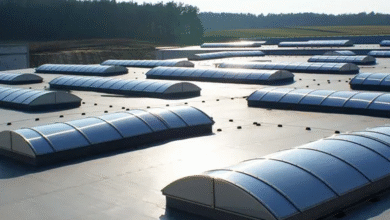
Flat roofs are widely used across commercial properties such as offices, warehouses, retail centers, and industrial facilities. Their design offers several advantages that pitched roofs often cannot match.
Key Benefits of Flat Roofing
- Cost efficiency: Flat roofs typically require fewer materials and less labor to install
- Usable space: They can accommodate HVAC systems, solar panels, or even rooftop patios
- Ease of maintenance: Accessibility makes inspections and repairs simpler
- Modern aesthetic: Clean lines complement contemporary building designs
Despite these benefits, flat roofs require specialized materials and proper installation to ensure long-term durability.
Understanding Common Flat Roofing Materials
Choosing the right material is one of the most important decisions when installing or replacing a flat roof. Each option has unique strengths depending on climate, building use, and budget.
Popular Flat Roofing Systems
- TPO (Thermoplastic Polyolefin): Known for energy efficiency and heat-reflective properties
- EPDM (Ethylene Propylene Diene Monomer): A durable rubber roofing membrane with strong weather resistance
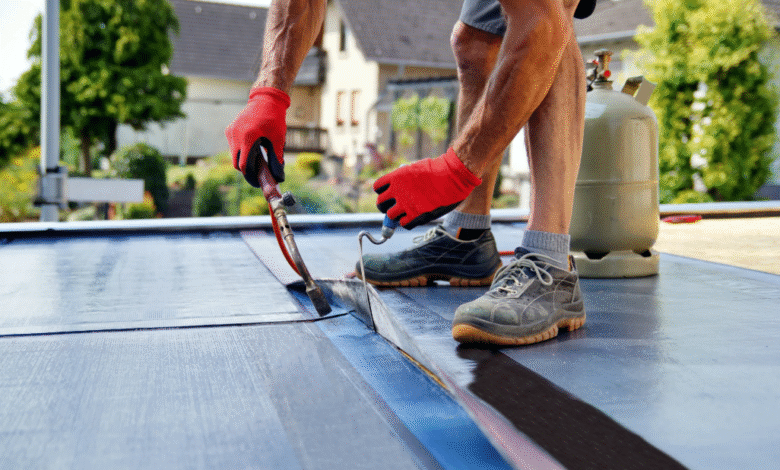
- Modified bitumen: Asphalt-based system reinforced for added strength
- Built-up roofing (BUR): Multiple layers of tar and gravel for durability
Each material offers different levels of insulation, longevity, and maintenance requirements, making it important to match the system to your building’s needs.
The Importance of Proper Drainage
One of the biggest challenges with flat roofing is water management. Unlike sloped roofs, flat surfaces can allow water to pool if drainage systems are not properly designed.
Risks of Poor Drainage
- Water pooling that leads to leaks
- Structural stress from standing water
- Accelerated material deterioration
- Mold and mildew growth
To prevent these issues, commercial roofs must include well-designed drainage solutions such as internal drains, scuppers, or tapered insulation systems that guide water away efficiently.
Maintenance: The Key to Longevity
Flat roofs require consistent maintenance to perform at their best. Neglecting small issues can quickly lead to costly repairs or even premature replacement.
Essential Maintenance Practices
- Routine inspections: At least twice a year and after major storms
- Debris removal: Keep drains and surfaces clear of leaves and dirt
- Seal checks: Inspect seams and flashing for wear or gaps
- Prompt repairs: Address minor damage before it worsens
Regular maintenance not only extends the life of your roof but also helps avoid unexpected disruptions to your business operations.
Signs Your Flat Roof Needs Attention
Recognizing early warning signs can save significant time and money. Many roofing problems start small but escalate quickly if ignored.
Common Warning Indicators
- Persistent leaks or water stains
- Visible cracks or blistering
- Pooling water that doesn’t drain within 48 hours
- Increased energy costs due to insulation issues
- Loose or damaged flashing
If any of these signs appear, it’s important to consult professionals who understand the specific requirements of flat roofing systems.
Choosing the Right Roofing Partner
A successful flat roofing project depends heavily on the expertise of the contractor. Commercial roofing requires specialized knowledge, proper equipment, and adherence to safety standards.
When evaluating a roofing provider, consider:
- Experience with commercial flat roofing systems
- Knowledge of local building codes and climate conditions
- Proven track record of completed projects
- Clear communication and detailed project estimates
For businesses operating in Georgia, working with professionals who specialize in commercial flat roofing in South Metro Atlanta can provide valuable insight into materials and solutions tailored to the region’s weather patterns and building requirements.
Energy Efficiency and Sustainability Considerations
Modern flat roofing systems are increasingly designed with sustainability in mind. Energy-efficient materials can significantly reduce operational costs while supporting environmental goals.
Eco-Friendly Roofing Options
- Reflective membranes that reduce heat absorption
- Green roofing systems with vegetation layers
- Solar panel integration for renewable energy
- Insulation upgrades to improve thermal performance
These options not only lower energy bills but can also enhance the overall value and appeal of your property.
Planning for Long-Term Performance
A flat roof is a long-term investment, and strategic planning can help maximize its return. This includes selecting durable materials, scheduling regular maintenance, and budgeting for future repairs or upgrades.
Smart Planning Tips
- Conduct a professional roof assessment before installation
- Choose materials suited to your building’s usage
- Establish a maintenance schedule from day one
- Keep detailed records of inspections and repairs
Taking a proactive approach ensures your roof remains reliable and cost-effective over time.
Conclusion: Protecting Your Business from the Top Down
Flat roofing systems offer a practical and efficient solution for commercial properties, but their success depends on proper design, installation, and maintenance. By understanding the materials, addressing drainage needs, and partnering with experienced professionals, business owners can ensure their roofs perform reliably for years to come.
Whether you’re installing a new system or maintaining an existing one, exploring expert services like commercial flat roofing in South Metro Atlanta can help you make informed decisions that protect your investment and support your business operations well into the future.