Many people want to improve their body shape without undergoing surgery or dealing with lengthy recovery periods. Modern aesthetic technology has introduced several non-invasive options that aim to reduce the appearance of stubborn fat while allowing individuals to return to their daily routines quickly. Among these technologies, cavitation has become one of the most widely discussed methods for body contouring.
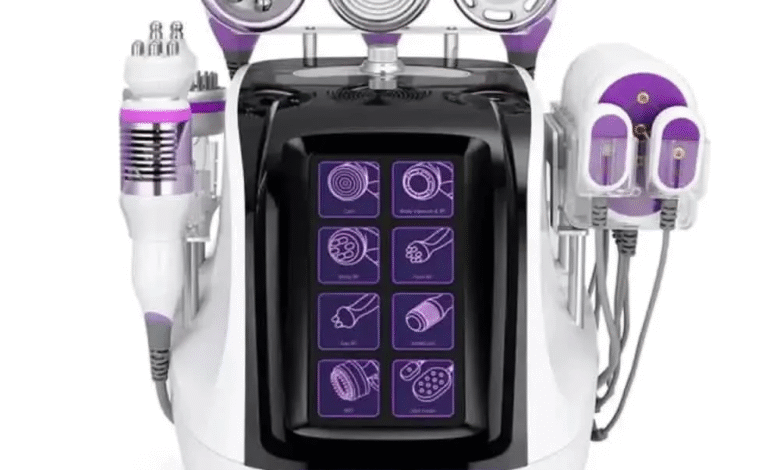
If you are researching how a cavitation machine works, understanding the science behind ultrasonic body contouring can help you make informed decisions about treatment expectations, benefits, and proper aftercare.
Unlike surgical fat removal procedures, cavitation focuses on improving body contours rather than serving as a weight-loss solution. When combined with a healthy lifestyle, balanced nutrition, and regular exercise, it may help improve the appearance of areas that are often resistant to diet and physical activity.
What Is Cavitation?
Cavitation is a non-invasive body contouring technique that uses low-frequency ultrasound waves to target fat cells beneath the skin. The ultrasound energy creates microscopic pressure changes within fatty tissue, which may disrupt the structure of fat cells.
Once these cells are affected, the body naturally processes and removes their contents through the lymphatic and metabolic systems over time. Because the treatment works beneath the skin’s surface without surgery, it does not involve incisions, stitches, or significant downtime.
Many aesthetic clinics include cavitation as part of broader body contouring programs designed to improve body shape rather than dramatically reduce body weight.
See also: How the First Home Buyer Grant Helps You Purchase
How Cavitation Technology Works
The effectiveness of cavitation depends on controlled ultrasonic energy rather than heat or invasive techniques.
Ultrasound Energy
Specialized ultrasound waves travel through the skin toward the targeted fatty tissue. These sound waves create tiny bubbles within the fat layer.
Fat Cell Disruption
As the bubbles expand and collapse, pressure builds around fat cells. This process may weaken the fat cell membranes, allowing stored fat to be released.
Natural Elimination
The released fatty material is gradually processed by the body’s natural systems, particularly the liver and lymphatic system, before being eliminated through normal metabolic functions.
This gradual process explains why visible improvements often develop over several weeks instead of appearing immediately after treatment.
Common Treatment Areas
Cavitation is commonly used on areas where stubborn fat tends to remain despite healthy lifestyle habits.
Popular treatment areas include:
- Abdomen
- Waist
- Love handles
- Thighs
- Hips
- Buttocks
- Upper arms
- Back
- Flanks
Some professionals also combine cavitation with skin-tightening treatments to enhance overall body contouring results.
Who May Benefit from Cavitation?
Cavitation is generally considered most suitable for individuals who are already close to their ideal weight but struggle with localized fat deposits.
Ideal candidates often include people who:
- Maintain a stable weight
- Exercise regularly
- Eat a balanced diet
- Want non-surgical body contouring
- Have realistic expectations
- Wish to improve body definition
It is important to understand that cavitation is not intended to treat obesity or replace healthy lifestyle habits.
Benefits of Non-Invasive Cavitation
Many people choose cavitation because it offers several advantages compared to surgical procedures.
No Surgery Required
There are no surgical incisions, anesthesia, or stitches involved.
Minimal Recovery Time
Most individuals return to work or regular daily activities immediately after treatment.
Comfortable Experience
Many patients describe the treatment as comfortable, experiencing only mild warmth or a gentle buzzing sensation.
Gradual Natural Results
Since the body removes disrupted fat naturally, results tend to appear progressively, creating subtle improvements over time.
Targeted Body Contouring
Rather than affecting the entire body, cavitation allows practitioners to focus on specific problem areas.
What Happens During a Treatment Session?
Understanding the treatment process helps reduce uncertainty before scheduling a session.
Consultation
The first step usually involves discussing medical history, treatment goals, and evaluating whether cavitation is appropriate.
Preparing the Skin
A conductive gel is applied to improve ultrasound transmission between the treatment device and the skin.
Ultrasound Application
The practitioner moves the handheld applicator slowly across the targeted area using controlled circular or linear motions.
Most sessions last between 30 and 60 minutes depending on the treatment area.
After the Session
No recovery period is usually necessary. Individuals can typically resume normal daily activities immediately.
How Many Sessions Are Usually Needed?
Visible improvement often requires multiple sessions because the body gradually removes treated fat over time.
Several factors influence the number of treatments:
- Size of the treatment area
- Individual metabolism
- Lifestyle habits
- Hydration
- Diet
- Physical activity
Many treatment plans involve weekly sessions over several weeks, although recommendations vary between individuals.
Preparing Before Treatment
Proper preparation may improve comfort and support the body’s natural elimination process.
Common recommendations include:
- Drink plenty of water before treatment.
- Avoid excessive alcohol consumption.
- Eat balanced meals.
- Stay physically active.
- Follow any instructions provided during consultation.
Hydration is especially important because the lymphatic system relies on adequate fluid intake.
Aftercare Tips
Following proper aftercare recommendations can help maximize treatment outcomes.
Stay Hydrated
Water supports the body’s natural waste removal processes.
Exercise Regularly
Light physical activity may encourage circulation and lymphatic drainage.
Eat Nutritious Foods
Maintaining a balanced diet reduces the likelihood of new fat accumulation.
Avoid Excessive Alcohol
Limiting alcohol temporarily may reduce additional strain on the liver while the body processes released fat.
Continue Healthy Habits
Long-term body contouring results depend largely on maintaining consistent lifestyle habits.
Cavitation vs Traditional Liposuction
Although both approaches target unwanted fat, they differ significantly.
| Cavitation | Liposuction |
| Non-invasive | Surgical procedure |
| No incisions | Requires incisions |
| Minimal downtime | Recovery period needed |
| Gradual results | Immediate fat removal |
| Usually no anesthesia | Often requires anesthesia |
| Lower procedural risks | Higher surgical risks |
Individuals seeking dramatic fat removal may require different treatment options, whereas cavitation is generally intended for body contour refinement.
Safety Considerations
Cavitation is generally considered safe when performed appropriately, but not everyone is a suitable candidate.
Treatment may not be recommended for individuals who have:
- Pregnancy
- Certain heart conditions
- Pacemakers
- Severe liver disease
- Kidney disorders
- Active infections
- Certain implanted medical devices
A professional consultation is important before beginning any body contouring treatment.
Common Myths About Cavitation
Myth 1: It Instantly Removes Fat
Results develop gradually as the body processes disrupted fat cells naturally.
Myth 2: It Replaces Exercise
Healthy eating and physical activity remain essential for maintaining long-term body composition.
Myth 3: One Session Is Enough
Most individuals require multiple treatments to achieve noticeable improvements.
Myth 4: It Is a Weight-Loss Treatment
Cavitation primarily focuses on shaping targeted body areas rather than significantly reducing body weight.
Lifestyle Habits That Support Better Results
Long-term success depends on maintaining healthy daily routines.
Helpful habits include:
- Regular cardiovascular exercise
- Strength training
- Consistent hydration
- Adequate sleep
- Balanced nutrition
- Limiting processed foods
- Managing stress
These habits help maintain body composition while supporting overall wellness.
Understanding Realistic Expectations
One of the most important aspects of body contouring is having realistic expectations.
Cavitation may improve body definition and reduce the appearance of localized fat deposits, but results vary between individuals. Factors such as metabolism, age, lifestyle, and treatment consistency all influence the final outcome.
Most professionals emphasize that cavitation works best as part of an overall healthy lifestyle rather than as a standalone solution.
Conclusion
Non-invasive body contouring has become increasingly popular for individuals seeking alternatives to surgery. Cavitation offers a modern approach that targets localized fat deposits while allowing minimal interruption to everyday life. Although it is not intended for weight loss, it may help improve body contours when combined with healthy nutrition, regular exercise, and proper hydration.
Before considering any treatment, learning how a cavitation machine functions, what results are realistic, and why lifestyle habits matter can help you make informed decisions about your body contouring journey.
FAQs
1. Is cavitation painful?
Most individuals describe cavitation as a comfortable treatment. During the session, some people notice mild warmth or a gentle buzzing sound caused by the ultrasound energy. There is generally no need for anesthesia, and normal daily activities can usually be resumed immediately after treatment.
2. How soon can results be seen?
Results vary depending on metabolism, treatment area, and lifestyle habits. Some people notice subtle improvements after a few sessions, while more visible contouring often develops gradually over several weeks as the body naturally processes and removes disrupted fat.
3. Can cavitation help with weight loss?
Cavitation is designed for body contouring rather than overall weight reduction. It targets localized fat deposits that may remain despite healthy eating and exercise. Maintaining a balanced lifestyle is essential for supporting and preserving treatment results over time.
4. How long does a cavitation session usually last?
Treatment sessions commonly last between 30 and 60 minutes, depending on the size of the area being treated. Smaller areas generally require less time, while larger regions such as the abdomen or thighs may take longer to complete effectively.
5. Are the results permanent?
The body permanently removes disrupted fat cells, but remaining fat cells can still enlarge if a person gains weight. Maintaining healthy eating habits, regular physical activity, and proper hydration can help preserve body contouring results for the long term.