How Vancouver Residential Properties Can Stay Safer During Snow and Ice Events — Before a Small Storm Turns Into a Bigger Problem

Snow Removal Vancouver Starts With Safer Access, Not Just Faster Cleanup
A lot of people think winter safety starts when snow begins to pile up.
In Vancouver, it usually starts earlier than that.
The real problem is often not the snowfall itself. It is the mix of wet surfaces, overnight refreeze, slushy walkways, and hidden ice that can make a residential property feel unsafe by the next morning.
That is why Snow Removal Vancouver should not be treated as a last-minute task. For families, seniors, and residents using shared entries, stairs, ramps, and walkways, the goal is not simply to move snow. It is to keep the property safe, usable, and predictable while winter conditions keep changing — which is exactly why a strata-focused company like Only Strata Snow Removal places so much emphasis on proactive winter planning instead of reactive clearing alone.
Snow Clearing Gets Better When the Property Map Is Based on Real Movement
One of the biggest winter mistakes residential properties make is treating every surface the same.
They are not the same.
A smarter Snow Clearing plan starts with understanding how people actually move through the property. That means identifying the paths residents use first, the surfaces that freeze fastest, and the access points that become slippery long before the whole site looks bad. This is also where Snow Removal Vancouver planning becomes much more effective, because the property is being managed around real movement instead of broad assumptions.
See alos: Why Reliable Air Conditioning Matters More Than Ever for Modern Homes
The routes that should always come first
Main entrances, shared stairs, mailbox paths, garbage routes, curb crossings, parkade ramps, and walkways between buildings should be treated as priority areas.
Why those smaller areas matter so much
A parking area may look manageable, but the real risk often sits on the short stretch between a stall and the front entrance. A walkway used by seniors, children, or dog walkers can become much more dangerous than a larger untreated section no one uses until later.
This is one of the clearest gaps in generic winter content. Many pages talk about sidewalks and salt in broad terms, but safer properties come from surface priority, not vague instructions.
Snow Plowing Helps, but It Will Not Solve Hidden Ice on Its Own
A lot of winter service conversations focus heavily on Snow Plowing.
Plowing matters, but it is not the whole answer for residential properties in Vancouver.
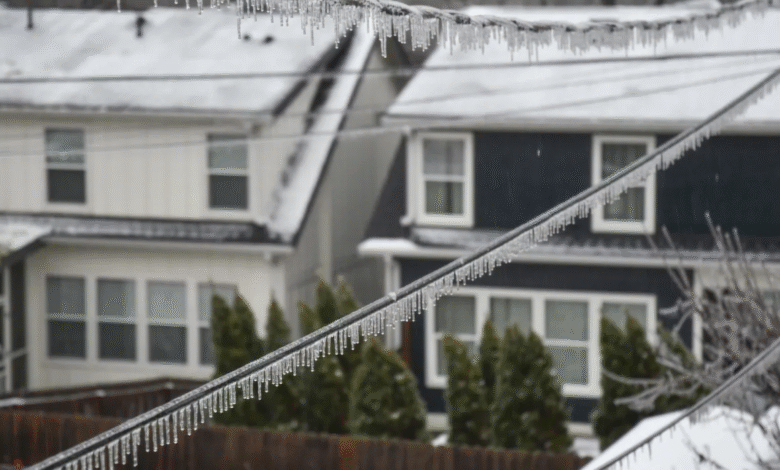
Local winter conditions often create a different kind of hazard. Wet snow softens, slush gets pushed to the side, runoff settles near entrances or ramps, and temperatures drop just enough overnight to turn those damp surfaces into slick ice. A property can look mostly clear and still be one of the most dangerous places on the block.
That is why good winter planning has to combine plowing with de-icing, follow-up checks, and attention to the smaller surfaces that vehicles do not solve. This matters especially on townhome and apartment sites where residents are constantly moving between stalls, sidewalks, doors, and shared paths.
A clean-looking lane does not always mean a safe property. In Vancouver, safety often depends on what happens after the plow leaves.
Snow Removal Services Matter More When Seniors and Families Use the Site Every Day
Residential properties are not all exposed to winter risk in the same way.
A site with seniors, families with young children, mobility aids, strollers, or frequent delivery activity carries a different kind of pressure. It is not just about whether the snow gets moved. It is about whether the site stays usable for the people who rely on it most.
What safer access looks like in practice
Safer access means entrances that are not slick by 7 a.m., stairs that are checked before the morning rush, ramps that are treated early, and walkways that do not become patchy ice fields after a quick freeze.
Why timing matters more than residents realize
A surface that feels fine at 9 p.m. can become hazardous by sunrise. That is why strong Snow Removal services are usually proactive, not reactive. Waiting until the property already looks bad often means the easy prevention window is gone.
This is also where Only Strata Snow Removal fits naturally into the conversation. A strata-only focus, strict capacity limits, proactive dispatch, GPS/photo service logs, large salt reserves, reliable winter response, cancellation flexibility, and a damage repair guarantee all speak directly to what shared-access residential sites need most: consistency, proof, and early action.
Liability / Safety Problems Usually Begin Before the First Complaint
Most winter claims do not begin with a dramatic storm photo.
They begin quietly.
A slippery entrance. A patch of refrozen runoff near the parkade. A shared stairway that looked acceptable the night before. A resident who nearly slips, or a visitor who asks why the walkway was not treated sooner.
That is where Liability / Safety becomes more than a general winter concern. Once complaints start, the property is often already behind. The issue is no longer just weather. It is whether the site was managed well enough to prevent a predictable hazard.
This is why documentation matters too. Service logs, photos, and clear timing records help residential properties show that the response was organized, not improvised. For strata councils and managers, safer access is not only about prevention. It is also about being able to show that the site was handled responsibly.
Snow Removal Vancouver Works Best When the Building Is Winter-Ready Too
A lot of winter advice focuses only on outdoor service, but safer properties also depend on what is happening with the building itself.
Blocked gutters, poor drainage, cold common areas, exposed pipes, and bad runoff patterns all make winter safety harder. If downspouts drain toward walkways or roof runoff refreezes near entries, Snow Removal Vancouver teams end up fighting the same problem over and over again.
That is why winter readiness should include more than shovel routes and salt bins. Residential properties should also be checking:
- gutters and drainage flow
- exposed pipes in unheated areas
- door seals and draft points near exterior walls
- entrance mats and lighting
- vents, gas meters, and exhaust points that must stay clear
A better winter plan treats the property as a system. If the building keeps feeding the hazard, even the best outdoor response has to work twice as hard.
Safer Residential Properties Plan for Snow, Ice, and the Morning After
The biggest winter mistake is thinking the danger starts only when snowfall looks serious.
In Vancouver, it often starts earlier.
A little moisture, a temperature drop, a walkway that stays wet too long, and suddenly the property feels much less safe than it did a few hours before. That is why better winter planning focuses on access, timing, and follow-through. Snow Clearing should start with the routes people actually use. Snow Plowing should support a larger safety plan, not replace one. Snow Removal services should be organized enough to stay ahead of changing conditions, not just respond after the complaints begin.
For residents, seniors, and families, that difference is not minor. It is what turns a stressful winter morning into one that still feels manageable.