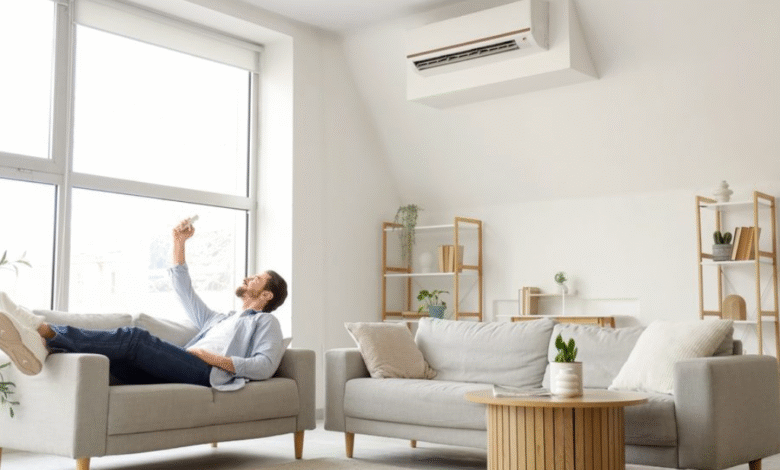
Comfort at home is something many people take for granted—until the air conditioner stops working on a hot day. In regions with long, warm seasons, a functioning cooling system isn’t just about comfort; it plays a major role in indoor air quality, energy efficiency, and everyday well-being.
Understanding how air conditioning systems work, why they fail, and what homeowners can do to maintain them can help prevent unexpected breakdowns. With a few practical strategies and a proactive mindset, it’s possible to keep a home cool and comfortable throughout the year.
The Role of Air Conditioning in Everyday Comfort
Air conditioning systems do more than simply cool the air. Modern residential units help regulate humidity, filter airborne particles, and maintain consistent indoor temperatures. These functions contribute to a healthier indoor environment and make living spaces more comfortable during hot weather.
When an AC system runs properly, homeowners typically experience:
- Stable indoor temperatures
- Reduced indoor humidity
- Improved air circulation
- Better indoor air quality
- Lower stress on household appliances and electronics
However, when a system begins to fail, these benefits can quickly disappear. Uneven cooling, higher humidity, and rising energy bills are often early signs that something isn’t working correctly.
See also: How the First Home Buyer Grant Helps You Purchase
Common Reasons Air Conditioners Break Down
Air conditioning systems are complex machines with multiple moving parts. Over time, normal wear and tear can lead to performance issues or system failures.
Some of the most common causes of AC problems include:
1. Dirty or Clogged Filters
Air filters trap dust, allergens, and debris. When filters become clogged, airflow is restricted, forcing the system to work harder and reducing cooling efficiency.
2. Refrigerant Leaks
Refrigerant is responsible for absorbing heat from indoor air. If a leak occurs, the system may struggle to cool properly and can eventually stop functioning.
3. Electrical Component Wear
Capacitors, contactors, and wiring connections are essential for system operation. Over time, electrical components can degrade or fail.
4. Frozen Evaporator Coils
Restricted airflow or refrigerant problems can cause evaporator coils to freeze, preventing proper cooling.
5. Lack of Routine Maintenance
Regular inspections help identify small issues before they turn into expensive repairs. Without maintenance, even minor problems can escalate.
Warning Signs Your AC System Needs Attention
Recognizing the early warning signs of AC trouble can help homeowners act before a full breakdown occurs.
Look for these common indicators:
- Warm air coming from vents
- Weak or inconsistent airflow
- Unusual noises such as grinding or rattling
- Sudden increases in energy bills
- Frequent system cycling
- Strange odors when the unit runs
Ignoring these signs may allow small mechanical issues to develop into larger system failures.
The Value of Professional Inspection and Repair
While homeowners can perform basic tasks like replacing filters or clearing debris around outdoor units, many AC problems require professional diagnosis. HVAC technicians are trained to identify hidden mechanical issues and restore system performance safely.
When a cooling system begins showing signs of trouble, scheduling a professional evaluation can prevent extended downtime and improve efficiency. Homeowners who want to better understand repair options and services available in their area can explore resources related to residential AC repair San Antonio to see how professional service providers approach system diagnostics and repair.
Taking action early often helps extend the life of an HVAC system and avoid more costly replacements.
Practical Steps to Extend the Life of Your AC System
A well-maintained air conditioning system can last significantly longer than one that is neglected. Consistent care not only improves performance but also reduces the likelihood of emergency repairs.
Here are several practical steps homeowners can take:
Change Air Filters Regularly
Replace filters every one to three months depending on usage, pets, and indoor air conditions.
Keep Outdoor Units Clear
Leaves, grass, and debris can block airflow around the condenser. Maintaining at least two feet of clearance helps ensure proper operation.
Schedule Seasonal Maintenance
Professional inspections before peak cooling season can identify worn components and improve efficiency.
Monitor Thermostat Settings
Avoid extreme temperature adjustments that force the system to work harder than necessary.
Check Air Vents and Registers
Blocked vents can disrupt airflow and create uneven cooling throughout the home.
Even simple maintenance habits can make a noticeable difference in performance and longevity.
Energy Efficiency and Modern Cooling Systems
Technology has improved dramatically in modern HVAC systems. Today’s air conditioners often include advanced features designed to improve comfort and reduce energy consumption.
Some of these innovations include:
- Smart thermostats that learn user preferences
- Variable-speed compressors
- High-efficiency SEER-rated units
- Zoning systems for customized cooling
- Improved humidity control technology
Homeowners who upgrade older systems may notice improved cooling performance along with lower energy bills.
However, even advanced systems require routine care. Maintenance and timely repairs remain essential to keeping equipment running at its best.
Creating a Comfortable and Reliable Home Environment
Air conditioning plays a central role in maintaining a comfortable home environment, especially in areas where warm weather is common for much of the year. When systems are properly maintained, they provide reliable cooling, cleaner indoor air, and better energy efficiency.
By understanding the most common AC problems, watching for early warning signs, and prioritizing regular maintenance, homeowners can significantly reduce the risk of unexpected breakdowns. When issues do arise, exploring professional solutions related to residential AC repair ensures that cooling systems receive the attention needed to restore comfort quickly and efficiently.
A proactive approach to air conditioning care not only protects the system itself but also helps create a more comfortable, stable, and enjoyable home environment.