Manufacturing no longer operates in isolation. The ability to produce goods efficiently is closely tied to how well those goods can be stored, transported, and delivered. As industries evolve, logistics has become an essential extension of the manufacturing process rather than a separate function.
This shift reflects a broader change in how businesses approach operations. Success is no longer measured solely by production output but by how seamlessly products move through the entire supply chain. Companies that recognize this connection are building systems that are faster, more responsive, and better aligned with market demands.
The Convergence of Manufacturing and Logistics
Manufacturing and logistics used to operate as distinct departments with separate goals. Production teams focused on output, while logistics handled distribution. That separation often created inefficiencies, including delays, excess inventory, and misaligned schedules.
Today, these functions are increasingly integrated. To better understand the foundations of modern production systems, this overview of manufacturing processes explains how efficiency and coordination play a central role in industrial operations.
Coordinated Workflows
Integrated systems ensure that production schedules align with transportation and delivery capabilities. Materials arrive when needed, and finished goods are shipped without unnecessary delays. This coordination reduces waste and improves overall efficiency.
The Role of Infrastructure and Design in Logistics
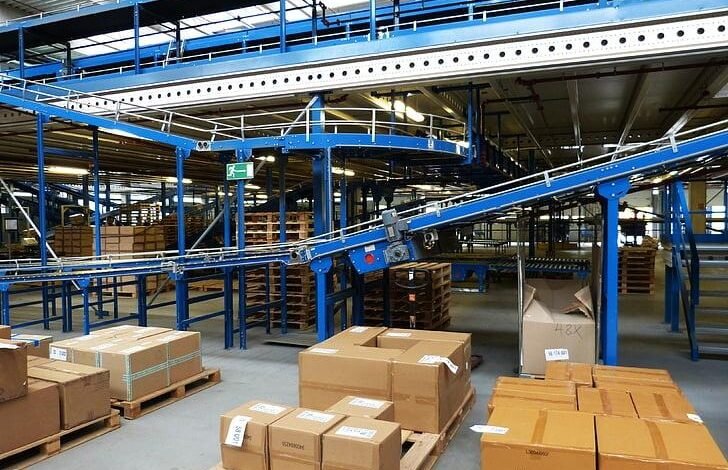
Efficient logistics depends not only on planning but also on infrastructure. Warehouses, distribution centers, and transportation networks must be designed to support smooth operations.
Interestingly, the principles of efficient design extend beyond logistics into other industries. For example, thoughtful structural planning—like the considerations outlined in this guide to modern roofing solutions—demonstrates how design choices can impact functionality, sustainability, and long-term performance.
Designing for Efficiency
In logistics, layout and design influence how quickly goods can be processed and moved. Well-organized facilities reduce handling time and improve workflow efficiency. These design decisions play a crucial role in maintaining consistent operations.
Technology as a Unifying Force
Technology has become the key element that connects manufacturing and logistics. Without it, managing complex supply chains across multiple locations would be nearly impossible.
Real-Time Data and Visibility
Modern systems provide real-time insights into inventory levels, production status, and shipment progress. This visibility allows businesses to make informed decisions and respond quickly to changes. It also improves communication across departments, ensuring that everyone is working with the same information.
Automation and Process Optimization
Automation reduces manual effort and increases accuracy. From automated warehouse systems to advanced scheduling tools, these technologies streamline operations and minimize errors.
As a result, businesses can operate more efficiently while maintaining high levels of reliability.
The Value of Experienced Logistics Support
Even with advanced technology, human expertise remains essential. Logistics involves constant decision-making, problem-solving, and adaptation to changing conditions.
Expertise That Drives Performance
Experienced professionals understand how to navigate complex supply chains, manage risks, and optimize routes. Their insights help businesses avoid costly mistakes and improve operational efficiency.
Organizations seeking dependable logistics support often turn to providers like Beardown Logistics, whose experience in freight and transportation reflects the importance of combining strategic planning with practical execution.
This kind of expertise ensures that logistics operations remain both efficient and adaptable.
Balancing Efficiency with Flexibility
Efficiency has long been a primary goal in logistics, but flexibility is now equally important. Supply chains must be able to adapt to disruptions, changing demand, and unexpected challenges.
Adapting to Market Changes
Businesses are adopting flexible strategies that allow them to adjust production and distribution plans quickly. This may include diversifying suppliers or using multiple transportation options.
These approaches help reduce risk and maintain continuity.
Building Resilient Systems
Resilience involves preparing for uncertainty rather than reacting to it. Companies that invest in resilient systems are better equipped to handle disruptions without significant delays. This proactive mindset is becoming a defining characteristic of successful operations.
See also: 5 Easy Tips to Grow Your Business Network
Sustainability in Modern Logistics
Sustainability is increasingly influencing how logistics systems are designed and managed. Businesses are looking for ways to reduce environmental impact while maintaining efficiency.
Reducing Environmental Impact
Efforts to lower emissions include optimizing transportation routes, improving fuel efficiency, and adopting greener technologies. These initiatives not only benefit the environment but also contribute to cost savings. Over time, sustainable practices can enhance both performance and reputation.
Efficient Resource Management
Integrated systems make it easier to manage resources effectively. By aligning production with demand, companies can minimize waste and reduce excess inventory. This approach supports both sustainability and operational efficiency.
Conclusion
The relationship between manufacturing and logistics has evolved into a tightly connected system that drives modern business success. By integrating these functions, companies can create operations that are not only efficient but also adaptable and resilient.
As supply chains continue to grow more complex, the ability to coordinate production and distribution will remain a critical factor in maintaining competitiveness. Businesses that embrace this integrated approach will be better positioned to meet changing demands and deliver consistent value over time.