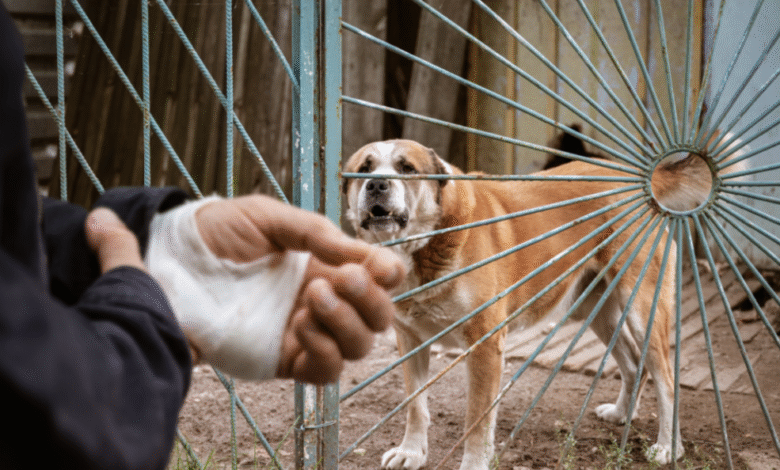
Dog bites can happen quickly and without warning. One moment you may be walking through a neighborhood, visiting a friend’s home, or enjoying a park, and the next you are dealing with an injury that requires immediate attention. Beyond the physical pain, many people are left unsure about what steps to take next.
Understanding how to respond after a dog bite can help protect your health and prevent complications later on. While every situation is unique, knowing the general process can make a stressful experience easier to manage. This article is for informational purposes only and should not be considered legal or medical advice.
Why Dog Bite Incidents Are Often More Complicated Than They Appear
At first glance, a dog bite might seem like a simple injury that only requires basic medical care. In reality, these incidents can involve several layers of concern.
Some of the issues that frequently arise after a dog bite include:
- Risk of infection or disease transmission
- Determining the dog’s vaccination status
- Identifying the dog’s owner
- Documenting the injury and the circumstances of the attack
- Handling insurance or liability questions
Because of these factors, the steps taken immediately after a bite can significantly affect both medical recovery and how the incident is handled later.
See also: How the First Home Buyer Grant Helps You Purchase
Immediate Steps to Take After a Dog Bite
The first priority after any animal attack should always be safety and medical care. Acting quickly can reduce the risk of infection and help create an accurate record of what happened.
Here are several steps people are often advised to consider.
1. Seek Medical Attention
Even small puncture wounds can lead to infections. Dogs carry bacteria that may cause complications if the injury is not treated properly. A healthcare provider can clean the wound, assess the damage, and determine whether additional treatment is necessary.
2. Identify the Dog and Its Owner
If possible, try to gather information about the dog and its owner. Important details may include:
- The owner’s name and contact information
- The dog’s vaccination records
- The location where the incident occurred
This information can be useful if follow-up care or official reporting becomes necessary.
3. Document the Injury and the Scene
Photographs and notes can be valuable in the days following a dog bite. Taking pictures of the injury, the location of the attack, and any visible damage can help preserve details that might otherwise be forgotten.
If there were witnesses nearby, their contact information may also be helpful.
4. Report the Incident
Many communities encourage or require dog bites to be reported to local authorities or animal control. Reporting the incident can help ensure the dog is properly evaluated and may prevent future attacks.
Understanding Why Documentation Matters
After an injury, it is common for people to focus only on healing. However, documentation often becomes important for several reasons.
First, injuries can evolve over time. What initially appears to be a small wound may later develop complications such as infection, scarring, or nerve damage. A clear record of the original injury can help medical professionals track changes during recovery.
Second, details about the incident may become harder to recall as time passes. Writing down what happened while the memory is fresh can help maintain an accurate timeline.
Key items people often document include:
- The exact date and time of the incident
- Where the bite occurred
- What the dog was doing before the attack
- Whether the dog appeared restrained or unattended
- The severity of the injuries
This information may later help clarify how the event occurred.
Common Misconceptions About Dog Bite Incidents
Many people are surprised to learn that dog bite situations are not always straightforward. Several misconceptions can lead individuals to underestimate the importance of early action.
“The Dog Has Never Bitten Anyone Before”
Some people assume that a dog without a prior history of aggression cannot be responsible for an attack. However, a dog bite can occur even if the animal has never previously shown aggressive behavior.
“The Injury Isn’t Serious Enough to Worry About”
Puncture wounds can appear small but still carry risk. Infection, nerve injury, or scarring may develop days or weeks later. Medical evaluation can help reduce those risks.
“It Was My Fault for Being Nearby”
People sometimes blame themselves for being in the wrong place at the wrong time. However, many dog bites occur during routine activities such as walking, visiting friends, or delivering packages.
Understanding these misconceptions can help people respond more carefully after an incident.
Why Some People Seek Legal Guidance After a Dog Bite
Depending on the circumstances, dog bite injuries can create unexpected challenges. Medical bills, missed work, and ongoing treatment may become concerns, especially if the injury affects mobility or daily activities.
In some cases, individuals choose to learn more about their options by speaking with a professional who understands how injury claims typically work. A knowledgeable dog bite lawyer in Fayetteville may be able to explain how liability, insurance coverage, and documentation are often handled in these situations.
For many people, simply understanding the process can reduce uncertainty and help them make informed decisions about their next steps.
Long-Term Effects of Dog Bite Injuries
While some bites heal quickly, others may have lasting effects. Recovery can vary depending on factors such as the location of the wound, the force of the bite, and whether complications arise.
Possible long-term impacts may include:
- Scarring or cosmetic changes
- Reduced mobility in the affected area
- Nerve damage
- Emotional distress or fear of dogs
Children are particularly vulnerable to serious dog bite injuries because they are smaller and more likely to be bitten on the face or upper body.
Recognizing these potential consequences highlights why prompt treatment and proper documentation are so important.
Preventing Future Dog Bite Incidents
While not every dog bite can be prevented, certain precautions may reduce the likelihood of an attack.
Helpful safety habits include:
- Avoid approaching unfamiliar dogs without the owner’s permission
- Do not disturb a dog while it is eating or caring for puppies
- Teach children to interact with animals calmly and respectfully
- Be cautious around dogs that appear anxious, protective, or restrained
Responsible pet ownership also plays a critical role in reducing bite incidents within communities.
Conclusion
Dog bites can happen suddenly and leave victims uncertain about what to do next. Taking quick action—seeking medical care, documenting the incident, and gathering key information—can help protect both health and future options.
Although every situation is different, understanding how these incidents are typically handled can bring clarity during an already stressful time. By focusing on safety, proper documentation, and informed decision-making, individuals can better navigate the aftermath of a dog bite and begin moving forward with confidence.